

About CaSGC
The California Space Grant Consortium (CaSGC) is California’s implementation arm of NASA’s National Space Grant College and Fellowship Program. It meets program objectives through a wide variety of aerospace-related activities that target pre-college to university level education and learning, research, workforce development, and public outreach.
CaSGC Programs

One of the highest priorities of the CaSGC is to develop an effective aerospace learning environment that has both curricular excellence as well as hands-on skill development efforts. Each of the CaSGC affiliates contributes to both areas throughout California.
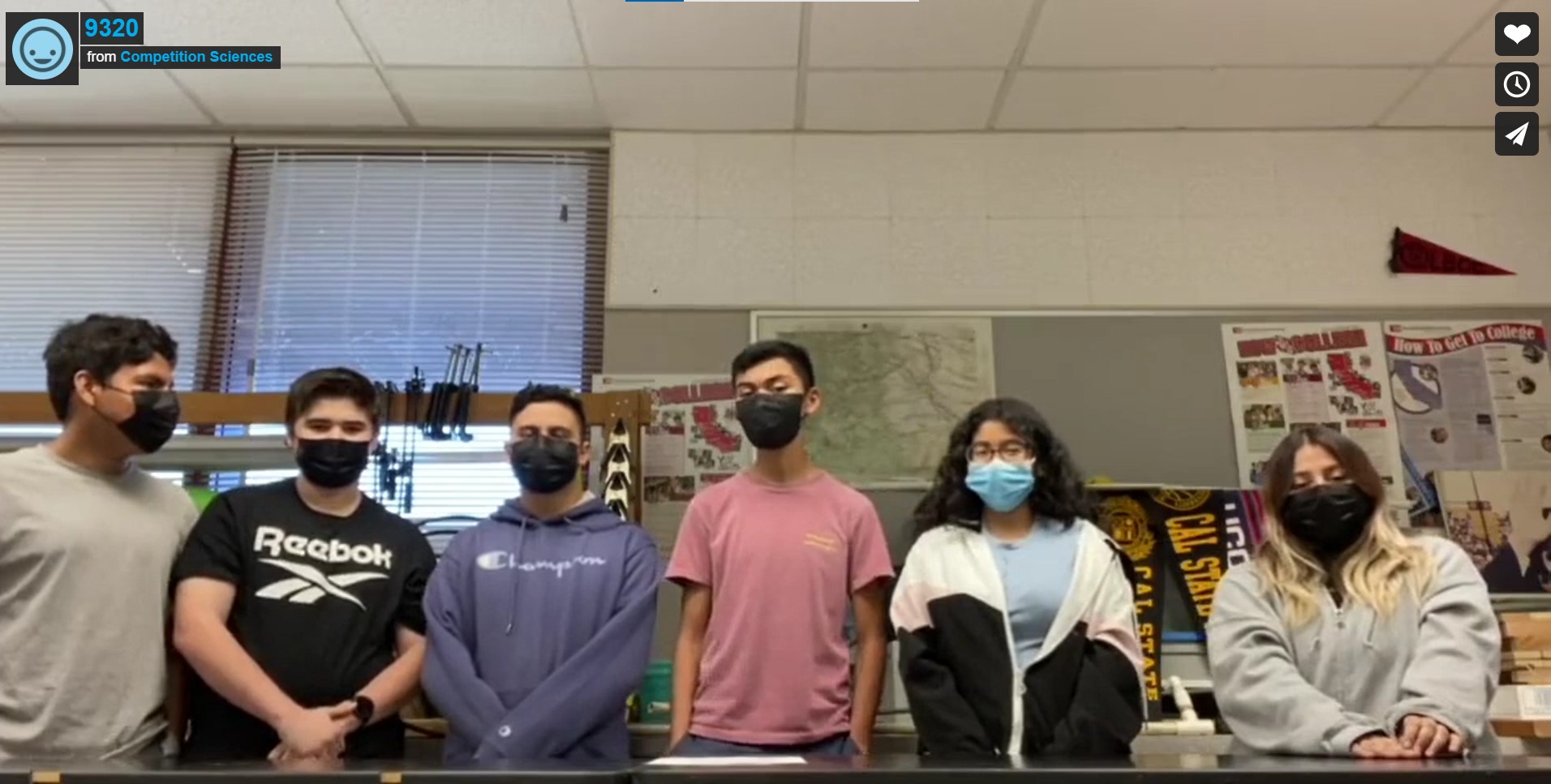
The CaSGC Advisory Council specifically set a path for precollege involvement that limited the Consortium to a supporting role to affiliate campus organizations, which deal directly with precollege curriculum development, teacher education, outreach, and assessment.
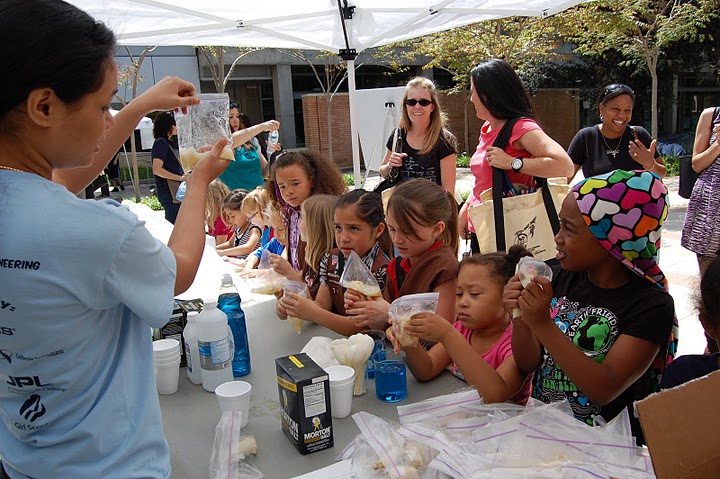
These programs bring NASA-related content to the general public. They may involve museums and/or other informal education venues or special events. The intent of Informal Education is to increase learning, to educate students, educators, and the general public on specific STEM content areas, and to indirectly work to expand the nation’s future STEM workforce and directly contribute to stronger Public Literacy and Community Engagement in Science.